The Intensive Beginners Course is bar far the most popular and most comprehensive.
The course starts at 10 am, and the first part of the workshop covers all the technical aspects of photography.
Yes, we will start with all the basics, like how a digital camera works, what happens on auto and why creative scenes won’t always work.
But we will quickly move into more important settings and how they affect the quality and colours of your images.
Before the coffee break, we have a few fantastic exercises to master focusing – so that you can tell your camera exactly what should be sharp in your pictures.
Next, we conquer the manual mode M – Welcome to the world of creative photography! And using a camera to its maximum potential!
You will learn about the relationship between the aperture, shutter speed and ISO when taking photos and how to get the best exposure. But please don’t worry; we will demystify all the terminology and provide many inspiring visual examples. Most importantly, instead of memorizing the numbers and f-stops, you will practice everything using various creative techniques.
Beginners course half-day or a full-day?
The same material covers the introductory Beginner DSLR course 10 am-2 pm (half-day). As you can see, it is a great starter, especially for people who want to learn photography fast but can not spare the whole day. Beginners DSLR course is probably our second most popular photo class.
The Intensive course is our undisputed winner – the most favoured and most comprehensive photography course for beginners. During the extra two hours, from 2.00 pm to 4.00 pm, we explore more “intermediate” topics like problems in low light conditions, camera troubleshooting, lenses and their use, and how to compose photos more effectively.
But what’s really important – on the Intensive course, we have more time for practical exercises, individual feedback on pictures and some personal tips.
One of the most fun exercises you’ll do on the course is taking pictures of ‘exploding’ water balloons. We will use super fast shutter speed to stop the action – bursting balloon. You can use the same technique (combined with burst mode and continuous focusing) to capture moving subjects, action at sporting events and photograph wildlife.
We also practice slow shutter speeds. To add a creative blur effect, create light trails, or photograph the night sky (Milky Way, Northern lights).
Shutter speed techniques can produce fascinating creative effects, but aperture and Depth of Field are also essential topics. During the first part of the course, you will learn about the technical elements of the lens, the aperture and f-stops. But the second part is far more exciting. You will practice shallow depth of field and how to blur the background in portraits (bokeh effect), and deep depth of field to have everything look sharp for pictures of architecture and landscapes.
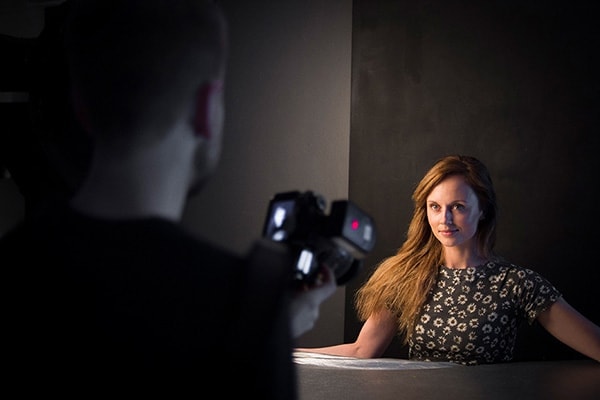
During the Intensive day course, you will have a chance to practice in our studio (artificial light) and a nearby park (natural light).
We will finish the course with a practical lens overview – choosing the right lens for your creative needs. Camera and equipment purchase recommendations – what essential items do you need in your DSLR kit? Key ways you can improve your photos – simple concepts and rules for better composition, like the rule of thirds, filling the frame, symmetry and patterns. And, of course, individual tips for everyone!
All of our beginners photography courses in London are limited to 6 participants. Yes, I am afraid some popular dates will sell out much in advance, but this way, we can assure that everyone will get some one-to-one time with the tutor and more personal tips.